OPEN CALL: Cappella Pratensis Summer School 2026
Musica, AMUZ & Cappella Pratensis (CLOSED)
Course for amateur singers and young professionals
Are you ready to immerse yourself in the secret world of polyphony?
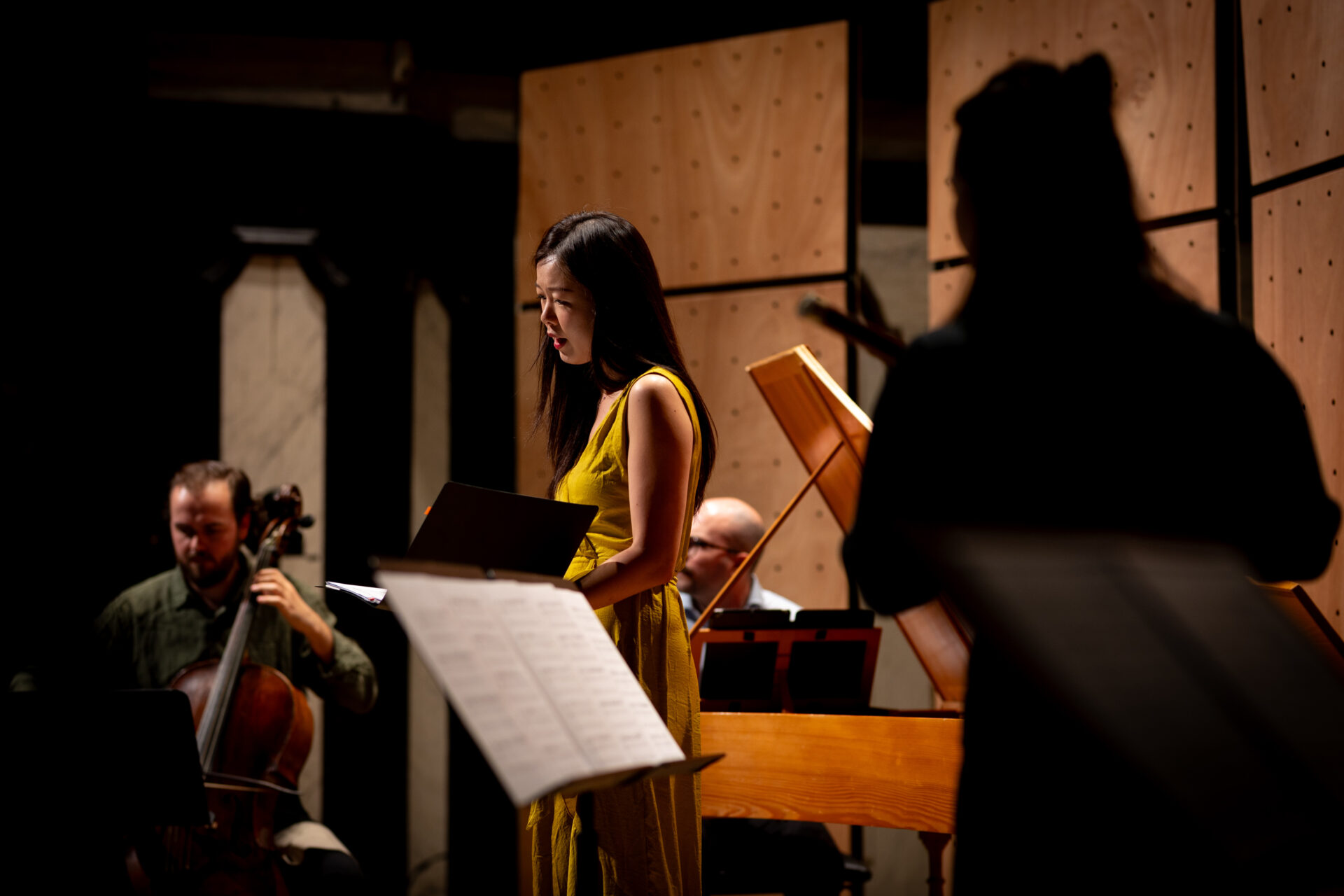
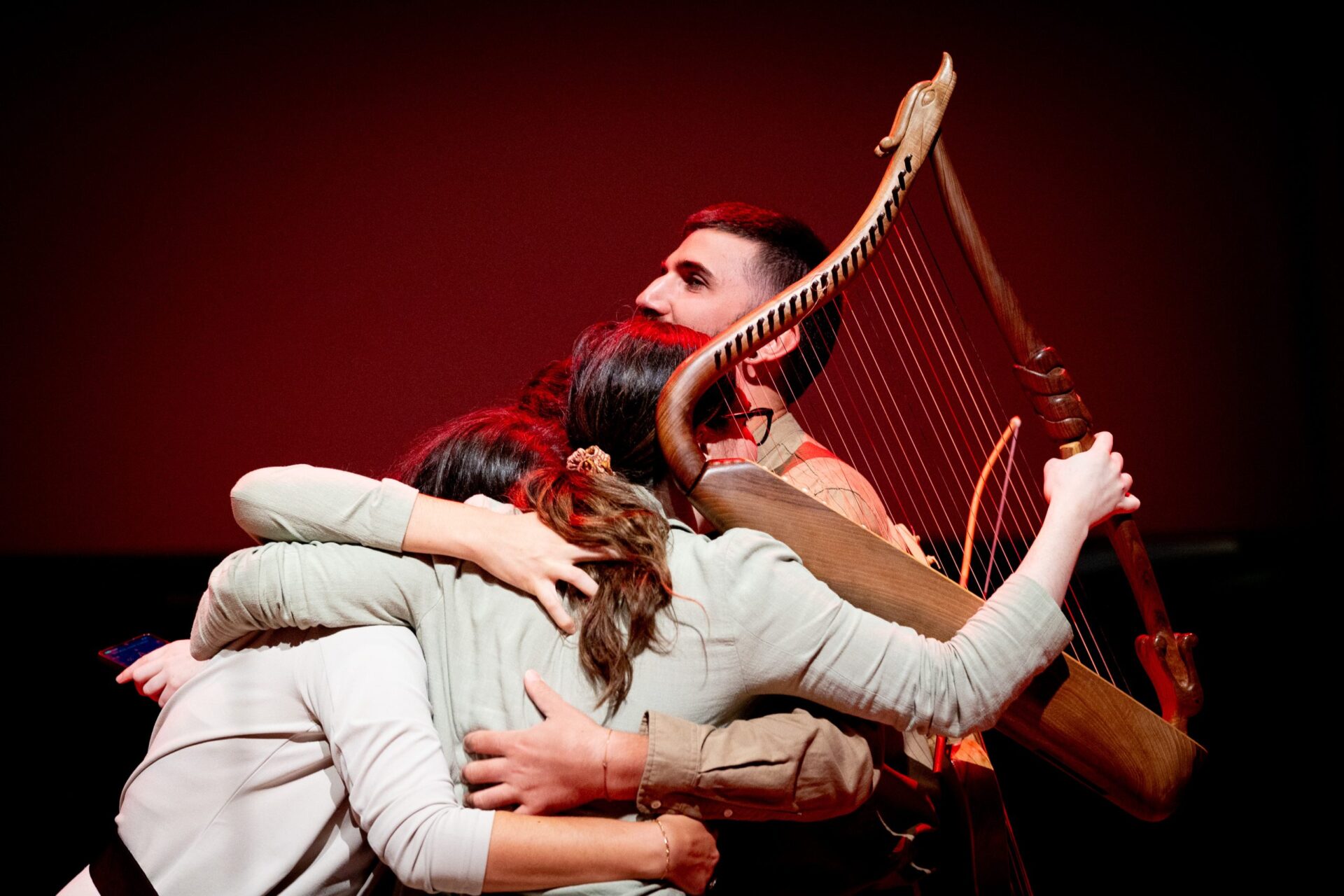
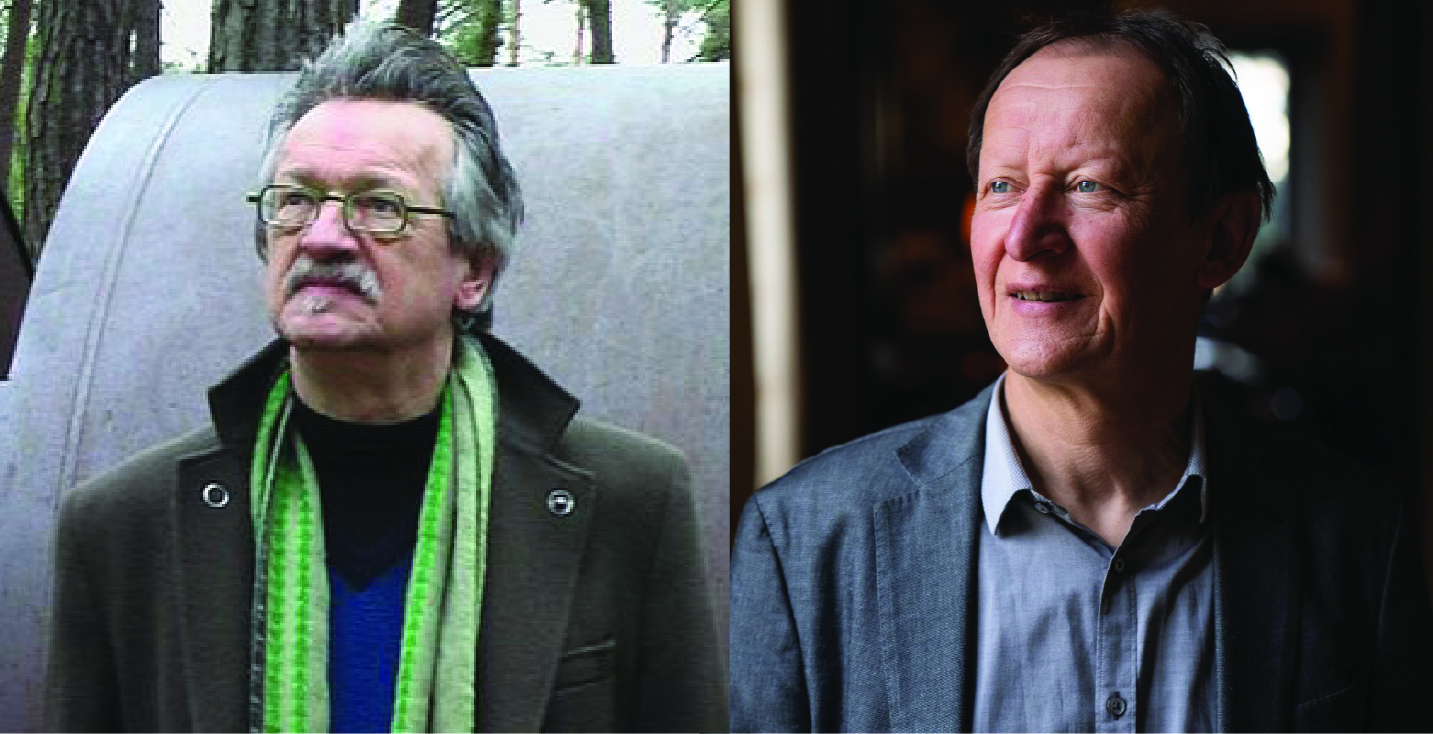
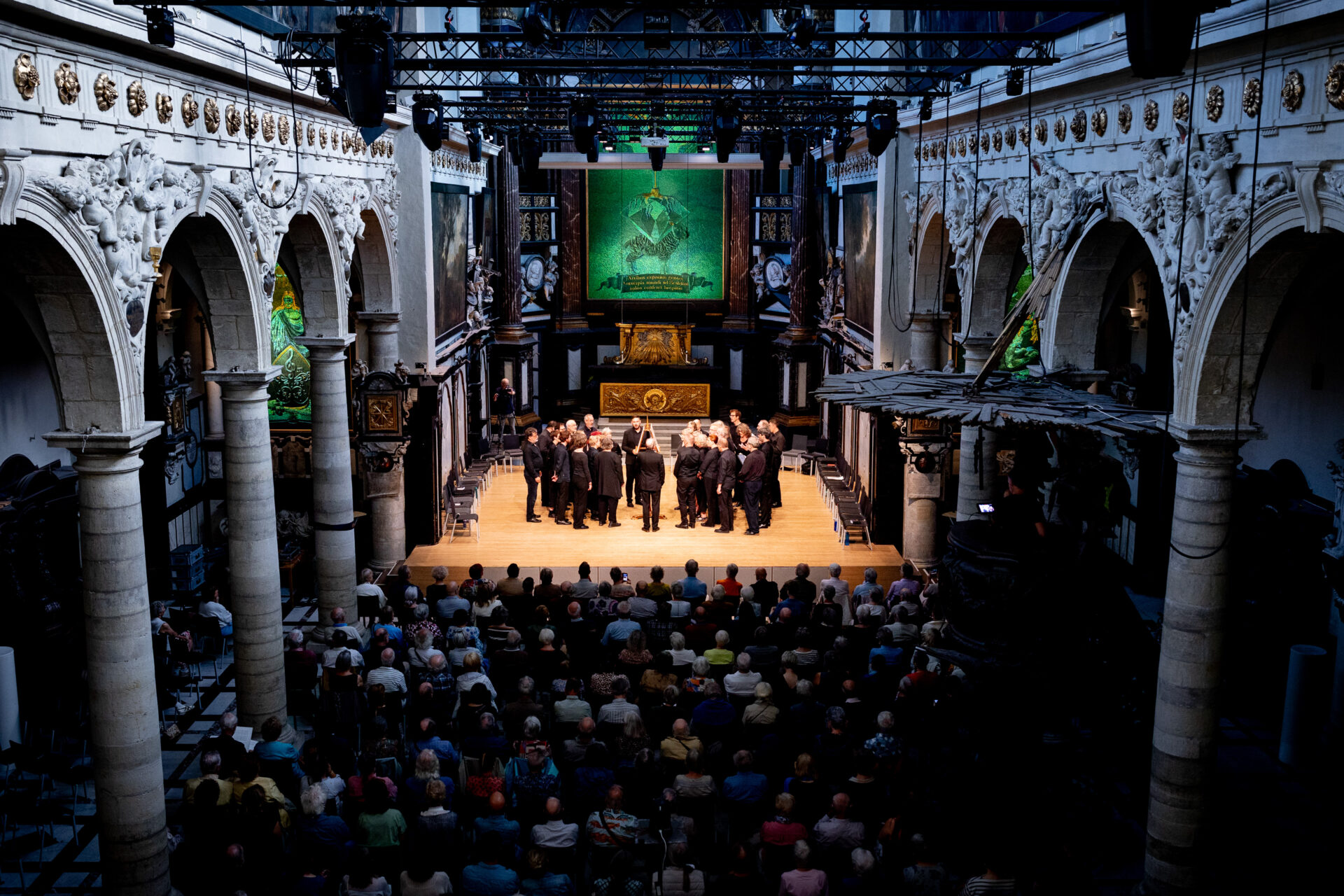
The Summer School offers amateur singers and young professional singers a unique opportunity to be part of a special musical adventure. From August 23 to 28, singing enthusiasts will gather in Antwerp for an intensive week of polyphonic music under the professional guidance of Cappella Pratensis teachers Tim Braithwaite, Stratton Bull, and Peter de Laurentiis. The highlight? A showcase on August 29 during the prestigious Laus Polyphoniae festival, where you will share the results of your collaboration with the general public.
Forbidden music in Elizabethan England
Quomodo Cantabimus in Terra Aliena: Forbidden music in Elizabethan England ‘How shall we sing the Lord’s song in a strange land?’ laments Psalm 136, recounting the anguish of the Jewish exiles during their captivity in Babylon as they are asked to sing by their captors. By the time Elizabeth I took the English throne in 1558, England was in the grip of profound religious turmoil, with the state religion having changed repeatedly since the initial zeal of Henry VIII’s Reformation. By the year 1600, with the supremacy of the Church of England having been firmly established, those who remained faithful to the church of Rome were suffering frequent persecution in the form of state-sanctioned torture and execution. In the midst of this oppressive political landscape, devout Catholics continued to meet in secret all over the country; some to celebrate mass, some to conspire against the crown, and some to make forbidden Catholic music together.
This year’s edition of the Cappella Pratensis Summer School explores such secret musical events and the role that music-making played in political and religious resistance. Particular focus is on the contents of a single surviving music manuscript, which likely passed between the recusant households of Sir John Petre and Edward Paston in the 1590s. This manuscript, like others owned by such households, contains not just the newest sacred polyphony of the day, but also music from earlier composers such as Thomas Crecquillon, Nicolas Gombert, Thomas Tallis, and John Taverner.
Under the guidance of the Gramophone Award-winning ensemble Cappella Pratensis, participants will be immersed in both the theory and practice of the sixteenth and seventeenth centuries. Highlights include historical solfège, the Guidonian Hand, and singing directly from original notation. The week concludes with an unforgettable concert together with members of Cappella Pratensis, as part of the festival programme.
Festival focus
The essence of Laus Polyphoniae 2026: the portrait of a many-voiced Europe where music simultaneously reaches the full height of its powers and descends into decadence. Where Venice echoes in Prague, Seville resounds in Lisbon, Naples whispers to London and Munich is an undertone in the north and the south. Where music printing opens the floodgates of new ideas, where composers migrate, scores travel around the world, and ‘old’ and ‘new’ constantly spur each other on. Read more
Concerts & Lecture (included in the Summer School)
Participants in Cappella Pratensis’ Summer School 2026 will have the unique opportunity to attend a series of four afternoon concerts and one lecture at AMUZ.
- Transports Publics: Monday, August 24, 2026, at 1:00 p.m.
The Coudenberg connection: Richard Dering in Brussels - Près de votre oreille: Tuesday, August 25, 2026, at 1:00 p.m.
Blessed echoes: Lute songs resound in England around 1600 - Lecture by Hans Mulder: Wednesday, August 26, 2026, at 1:00 p.m.
Europe around 1600: a continent in transition - More Maiorum: Thursday, August 27, 2026, at 1:00 p.m.
Floridi virtuosi d’Italia: brilliant virtuosos from Italy - New York Polyphony: Friday, August 28, 2026, at 1:00 p.m.
A new wind: Hassler & Regnart
Summer School is a project by Musica, Cappella Pratensis & AMUZ( Flanders Festival Antwerp).
Practical information:
Who is it for?
Amateur singers and young professional singers looking for deeper knowledge and artistic growth.
Cost
300 euros, including a selection of concert tickets for Laus Polyphoniae. Accommodation (not included in the participation fee) is available in various price ranges, from an excellent youth hostel nearby to a wide range of hotels.
When
- Summer school: Sunday 23 August – Friday 28 August 2026
- Concert at AMUZ: Saturday 29 August 2026, at 11:00 a.m.
Where
Antwerp: Musica School Stedelijk Basisonderwijs (Lange Ridderstraat 48) and AMUZ (Kammenstraat 81).
Registration
The registration deadline has now passed. The selection will be announced mid-April 2026.